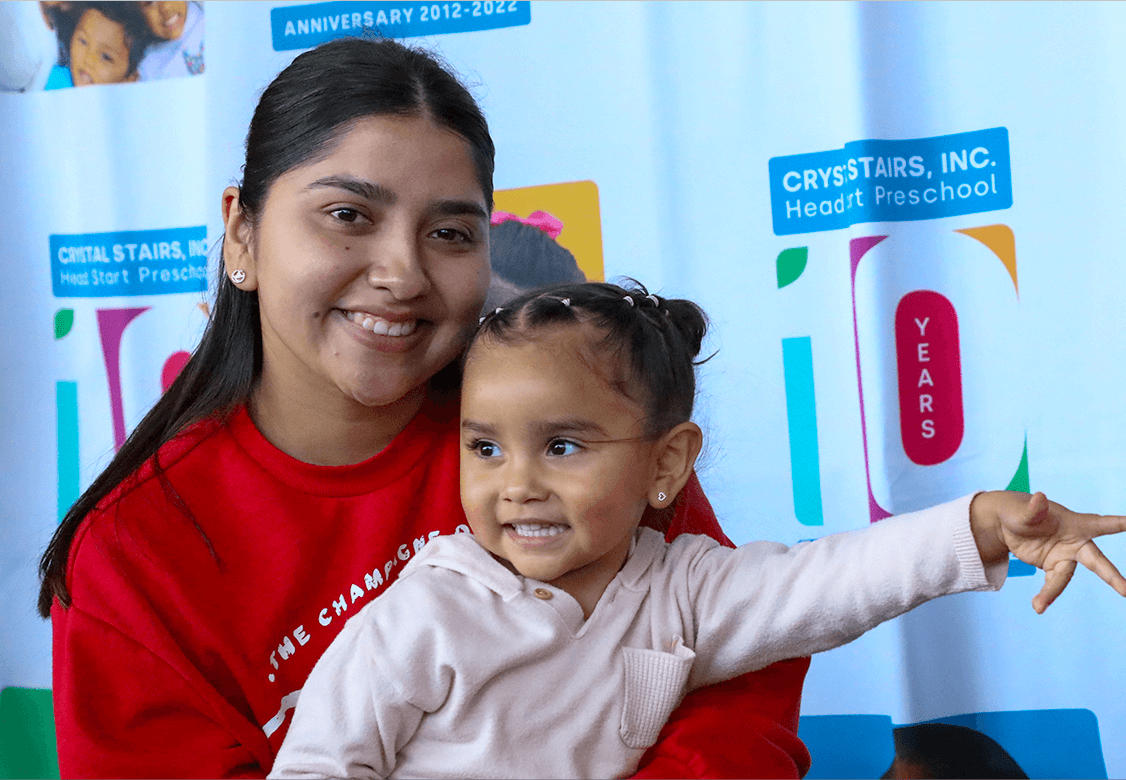
Crystal Stairs is the largest child development service provider and advocate for families and child care providers in South Los Angeles.

Synthia Saint James Artwork Commissioned for Crystal Stairs, Inc. in 2000.
Our Vision Expressed Through the Arts
about us

Our Programs
Child Care Subsidy Programs
Assists low-income families in paying for child care and managing work and family obstacles as they transition from welfare to work.



Head Start, State Preschool and Early Head Start Programs
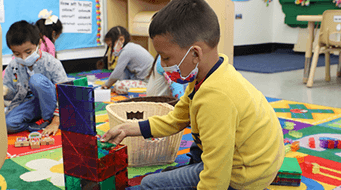
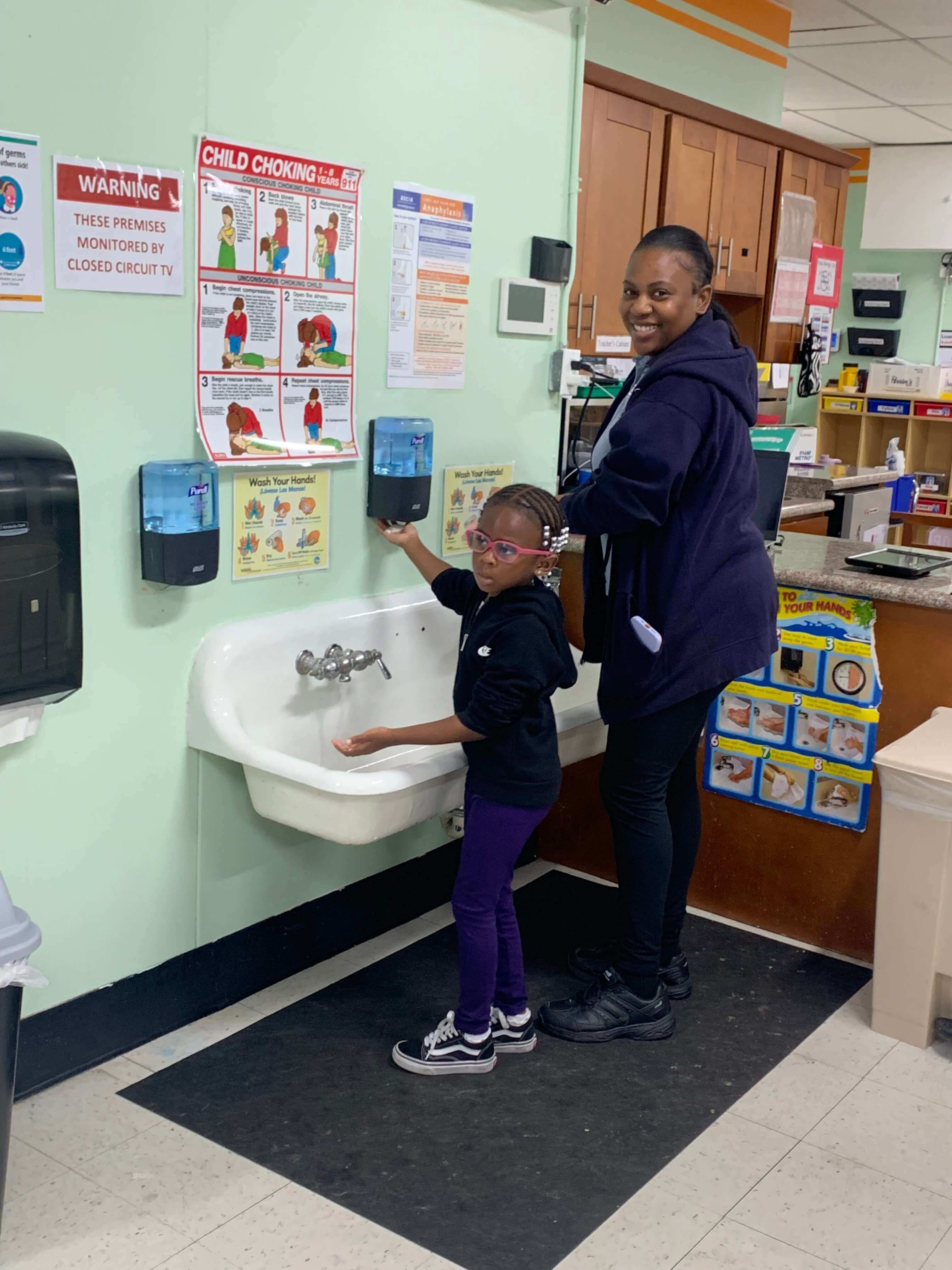
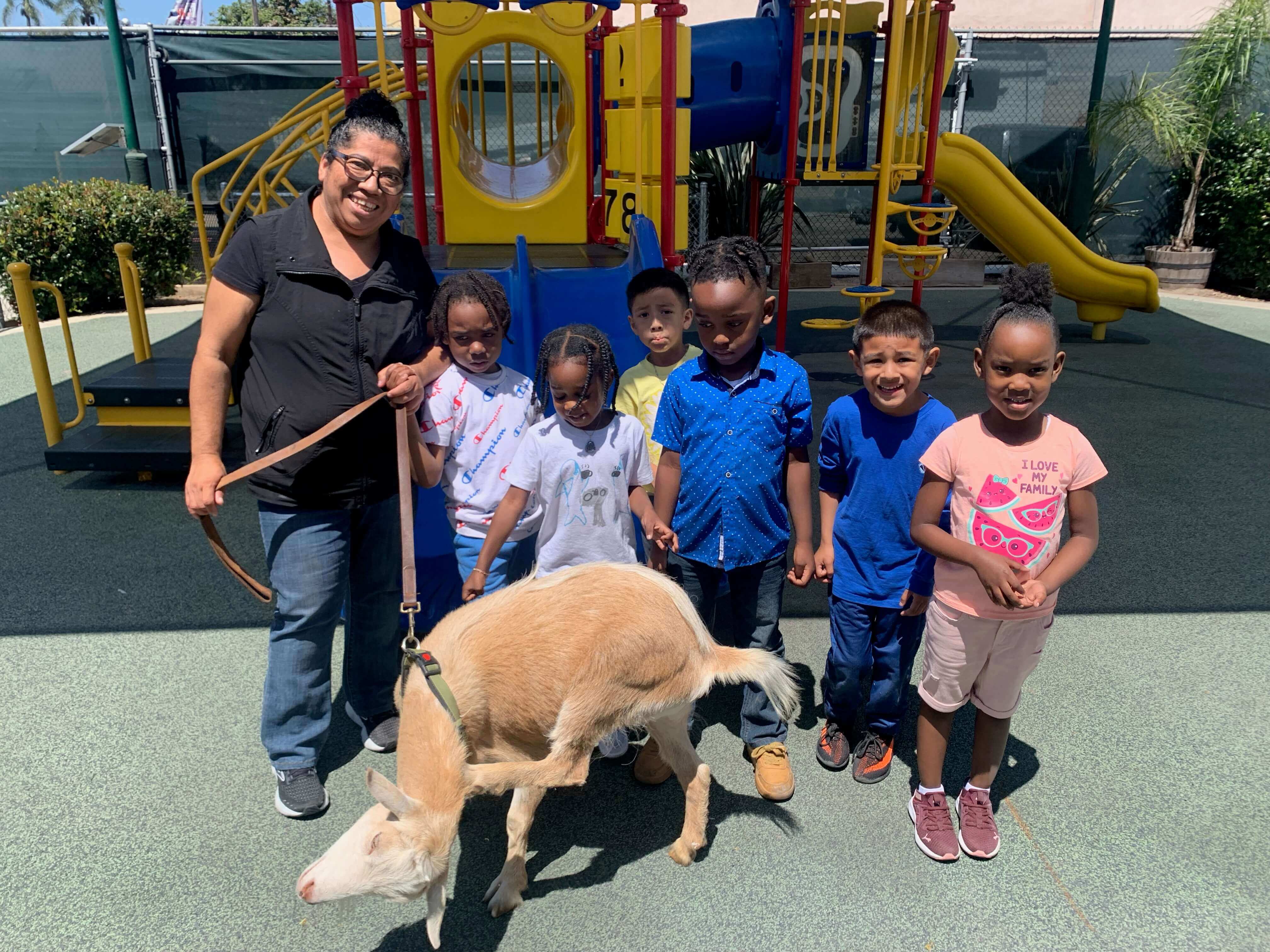
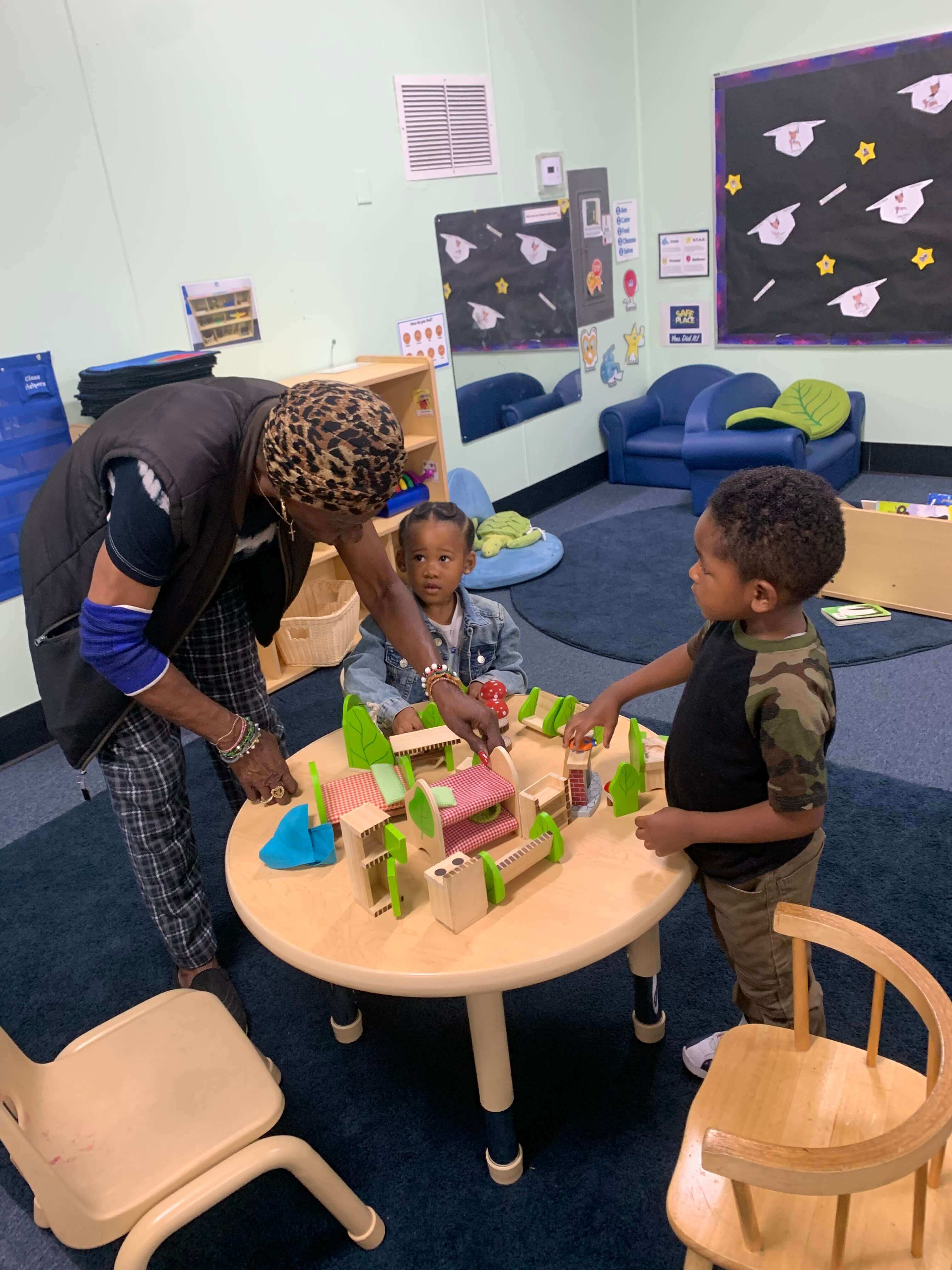
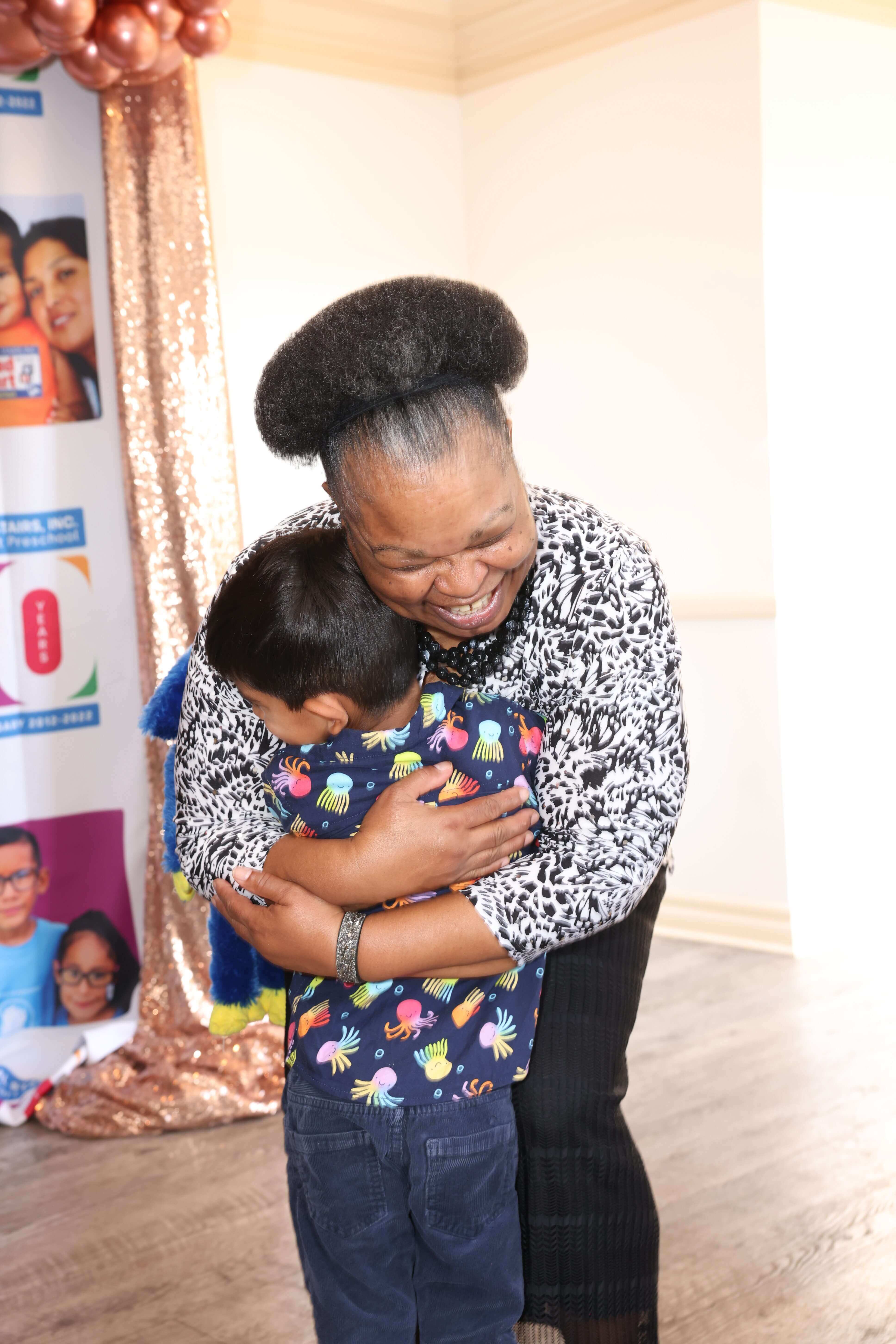
Provides quality early learning and preschool along with family services that support the enhancement of the overall family development, including health, mental health, nutrition, disabilities and family support services for children 0 – 5 years old.
Resource & Referral Program
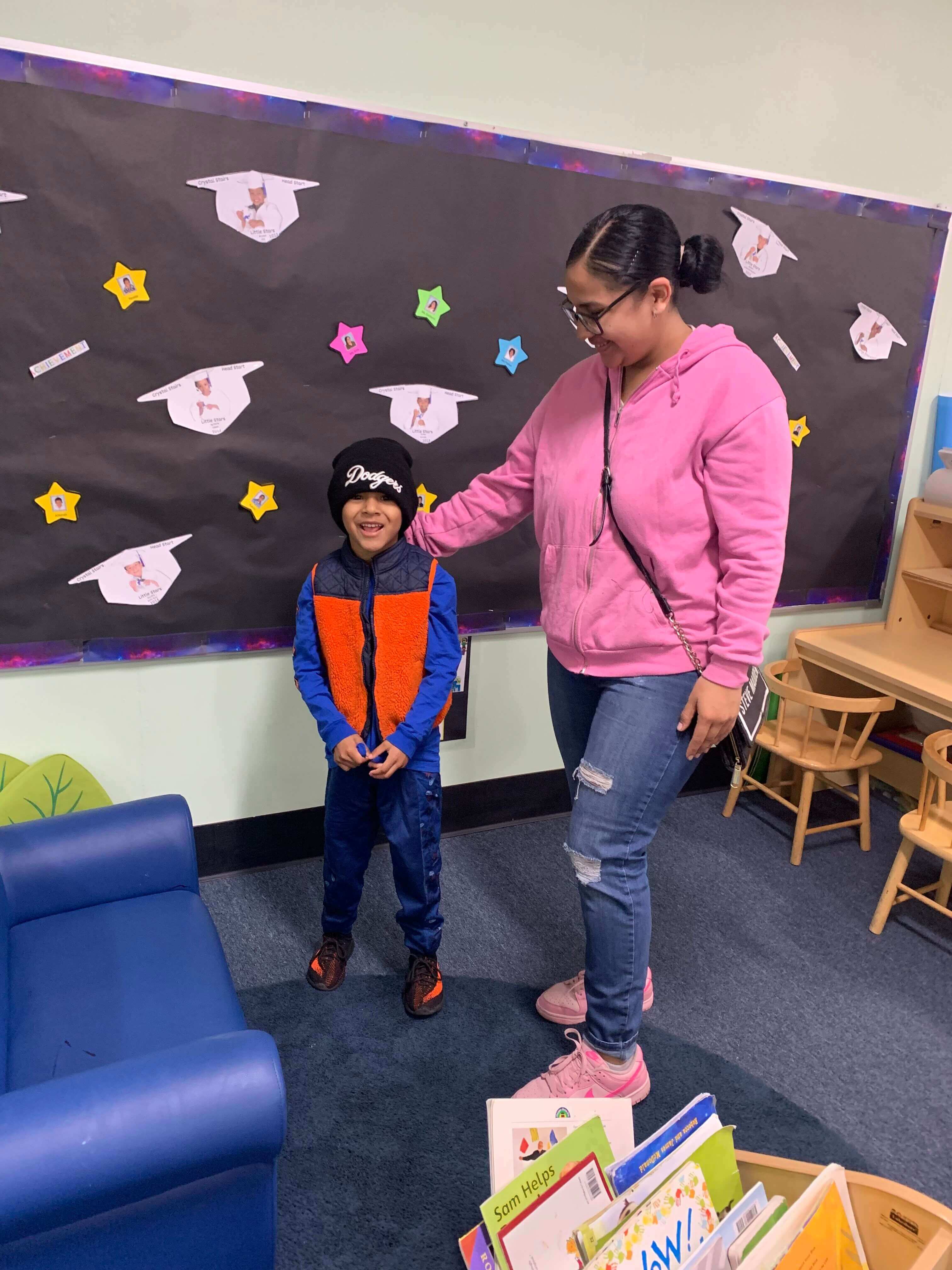
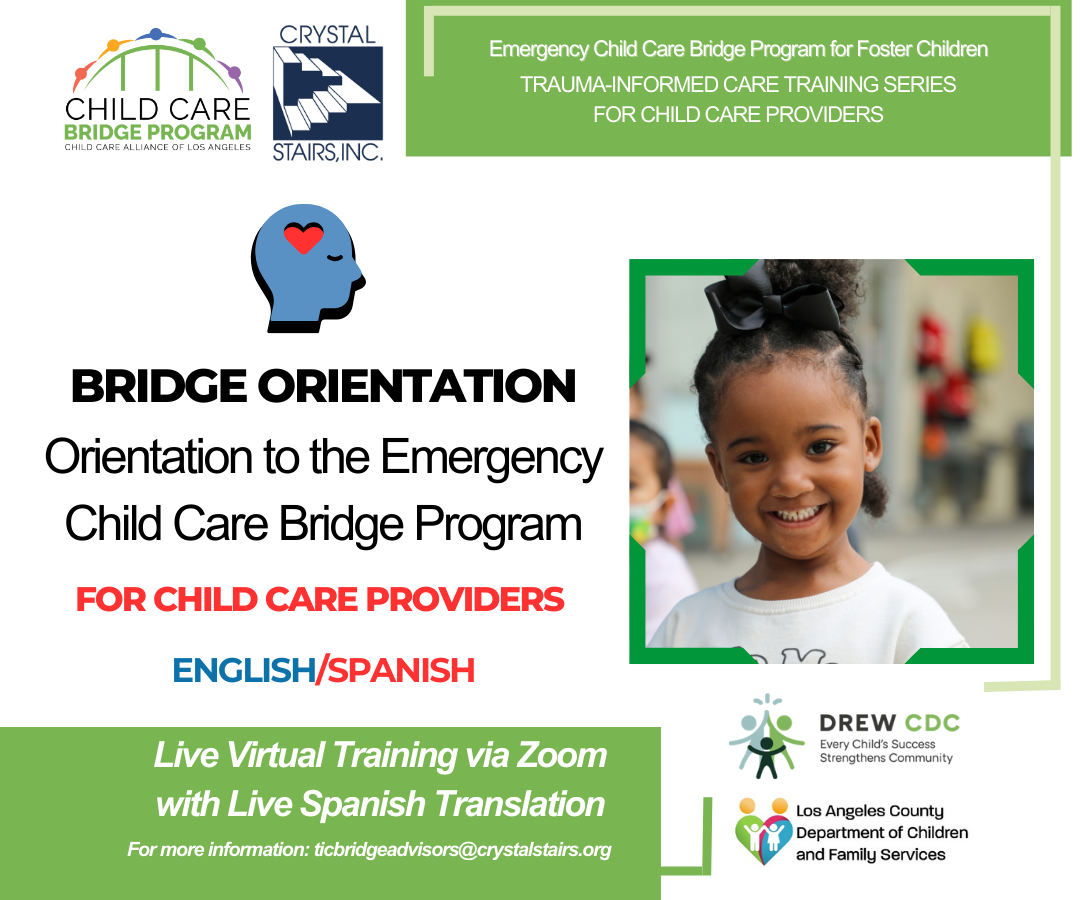
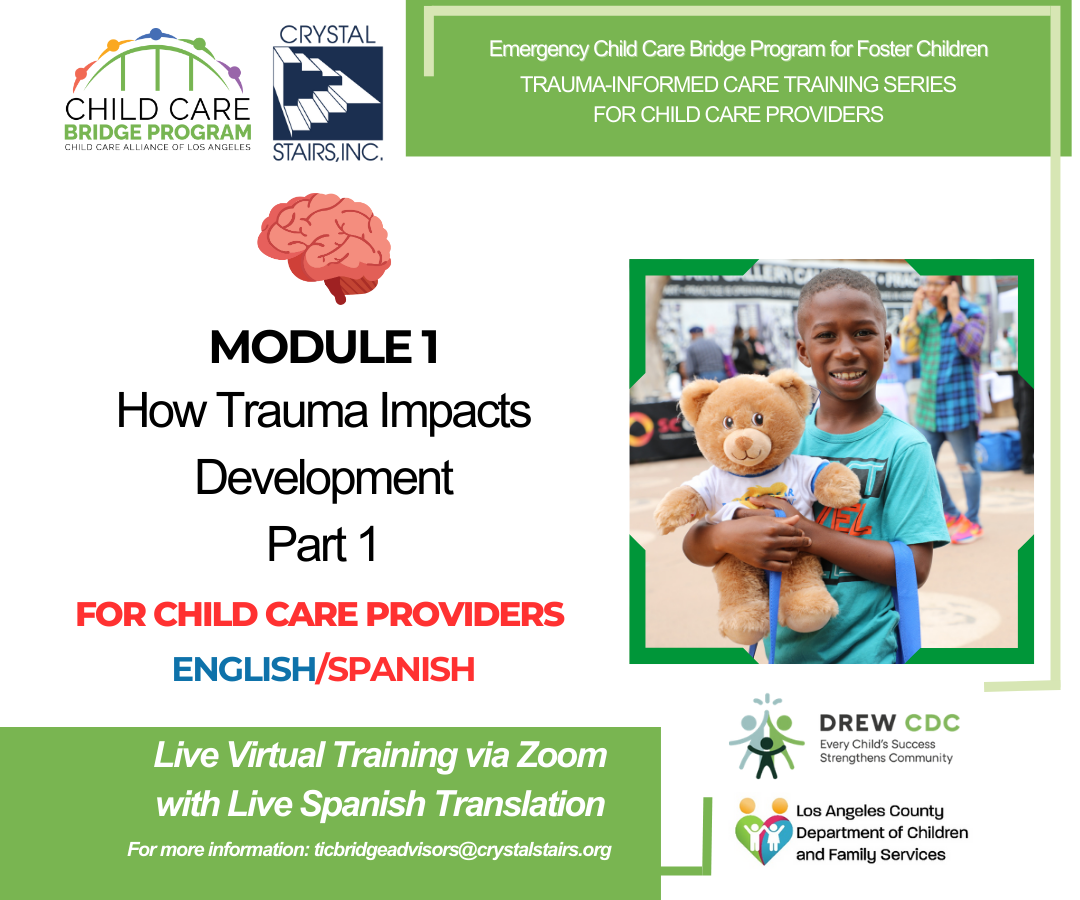
Provides information to all parents and the community about the availability of child care in their area. The program provides direct services for child care providers including assistance in licensing, professional training, and facilitating provider reimbursement. The R&R program coordinates community resources for the benefit of parents and local child care providers.
Parent Support Services Program
Provides essential resources and enhanced support services for parents to assist them in strengthening their families, enhancing parenting skills, and reaching greater self-sufficiency.

Community Voices
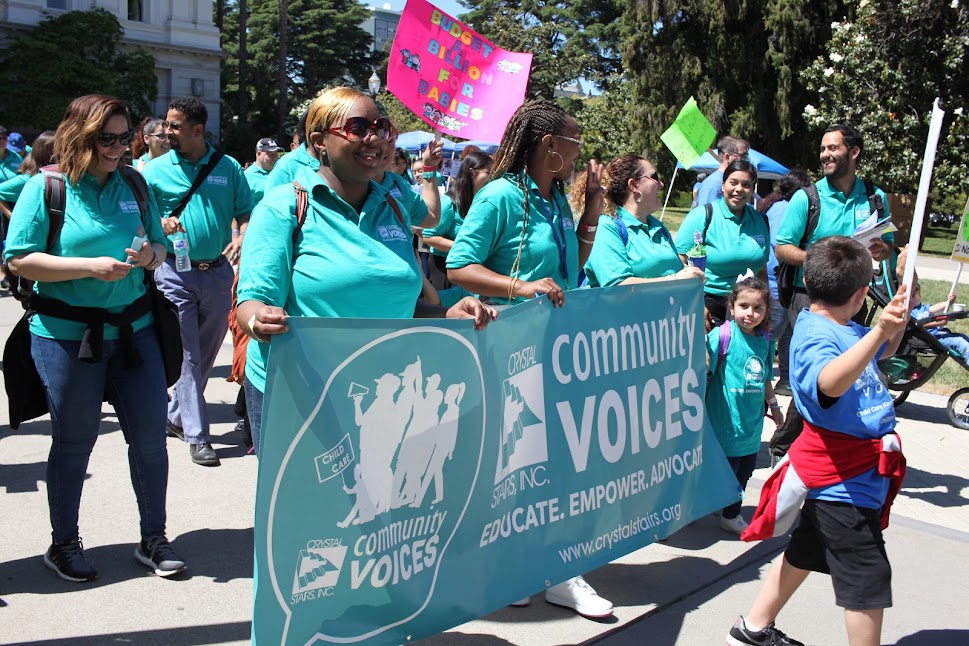
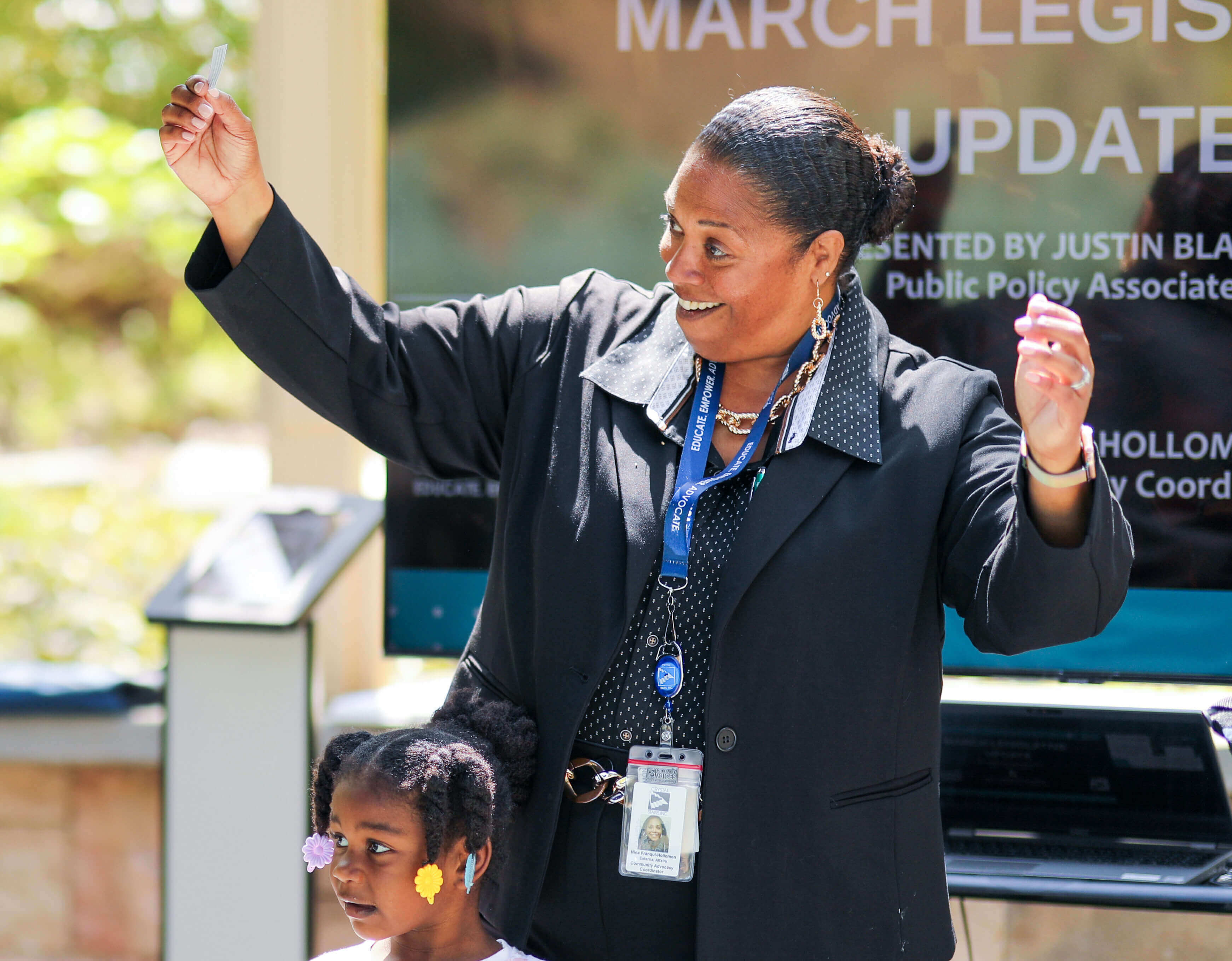
Strengthens parent leadership, civic engagement and ability to create systemic change in child care through advocacy efforts.
Health Outreach Program
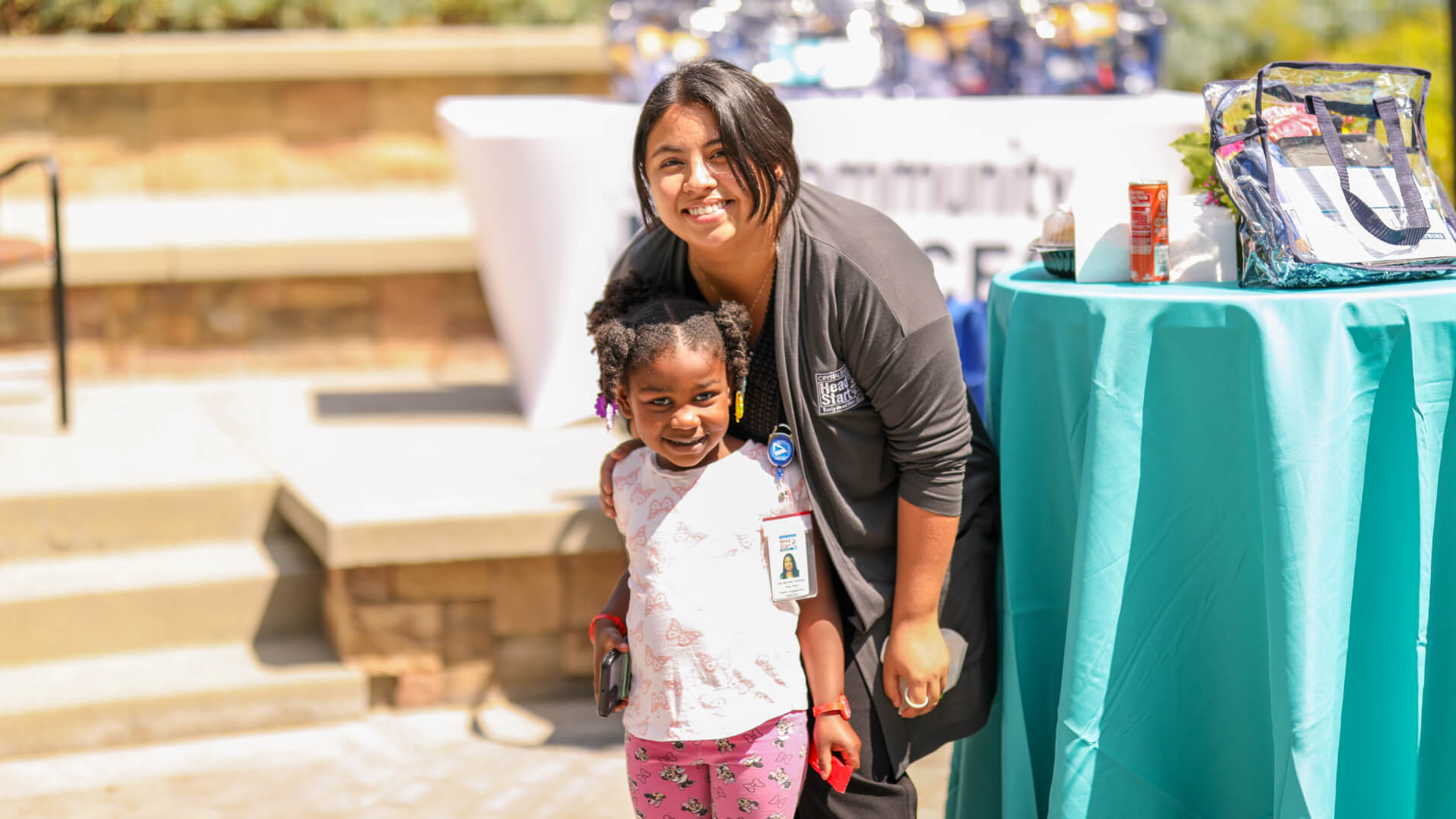
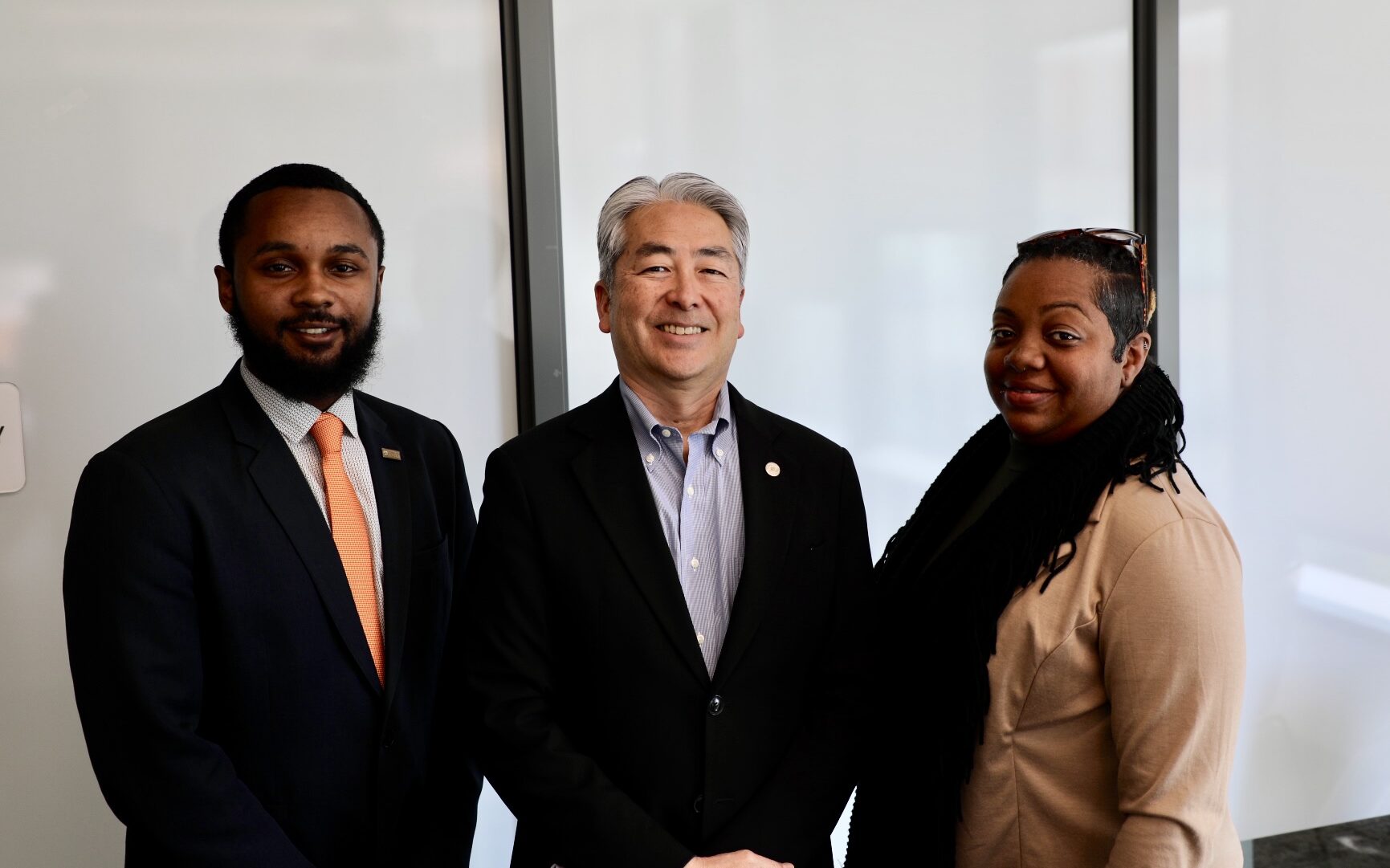
Provides enrollment into free or low-cost health care systems as well as community resources to improve the overall health and well-being of children and their families.


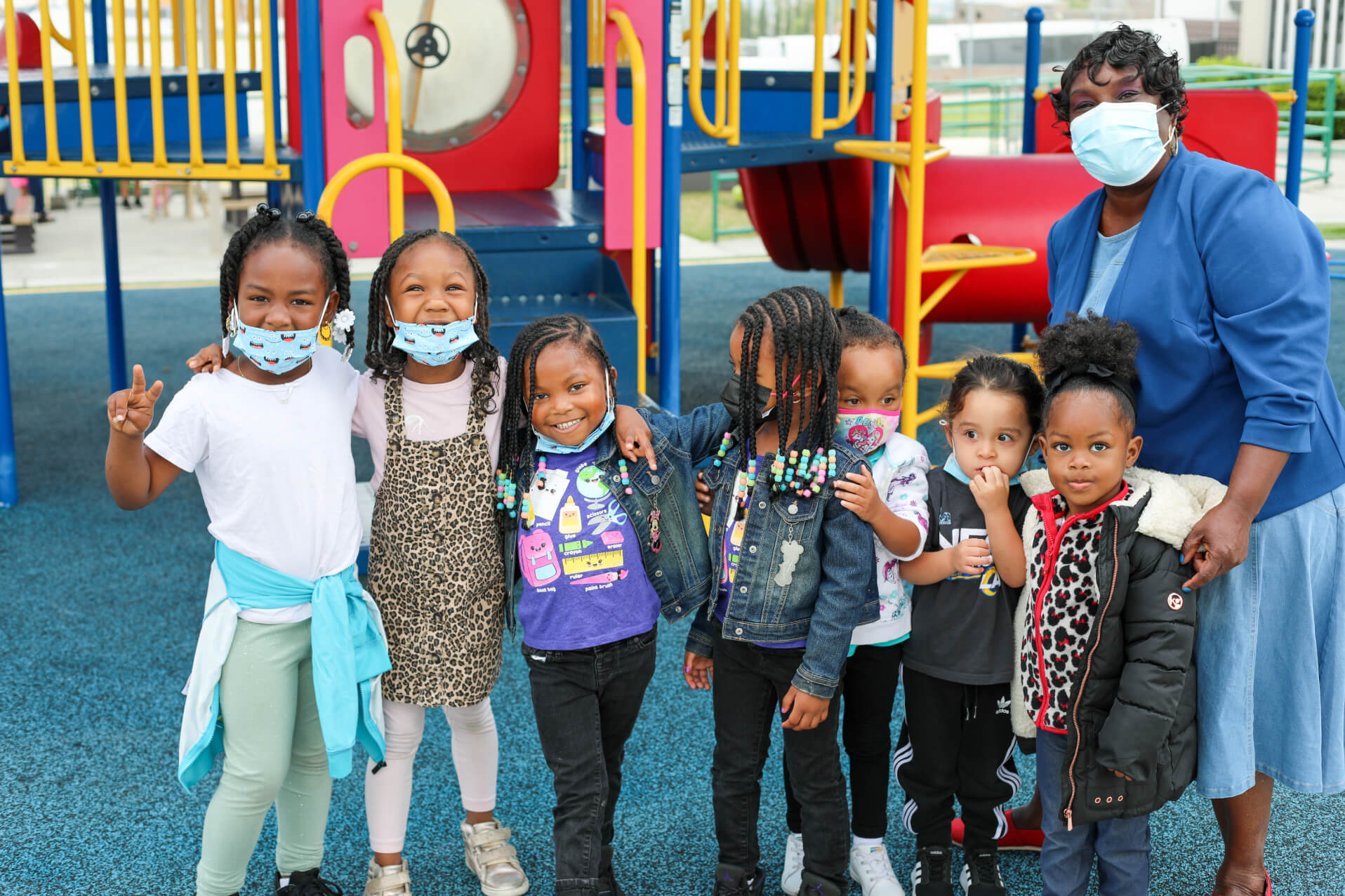
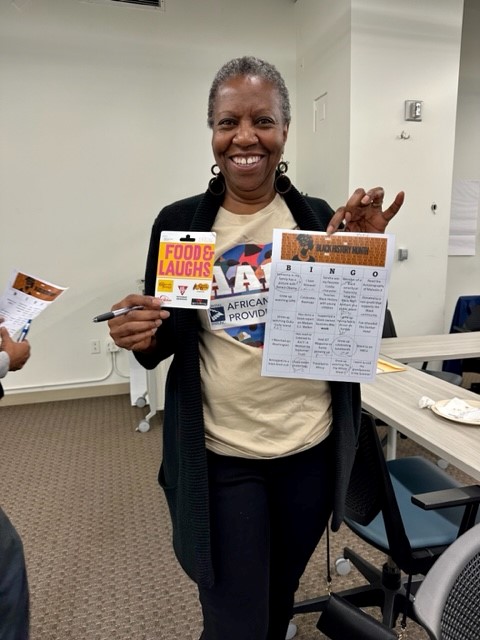
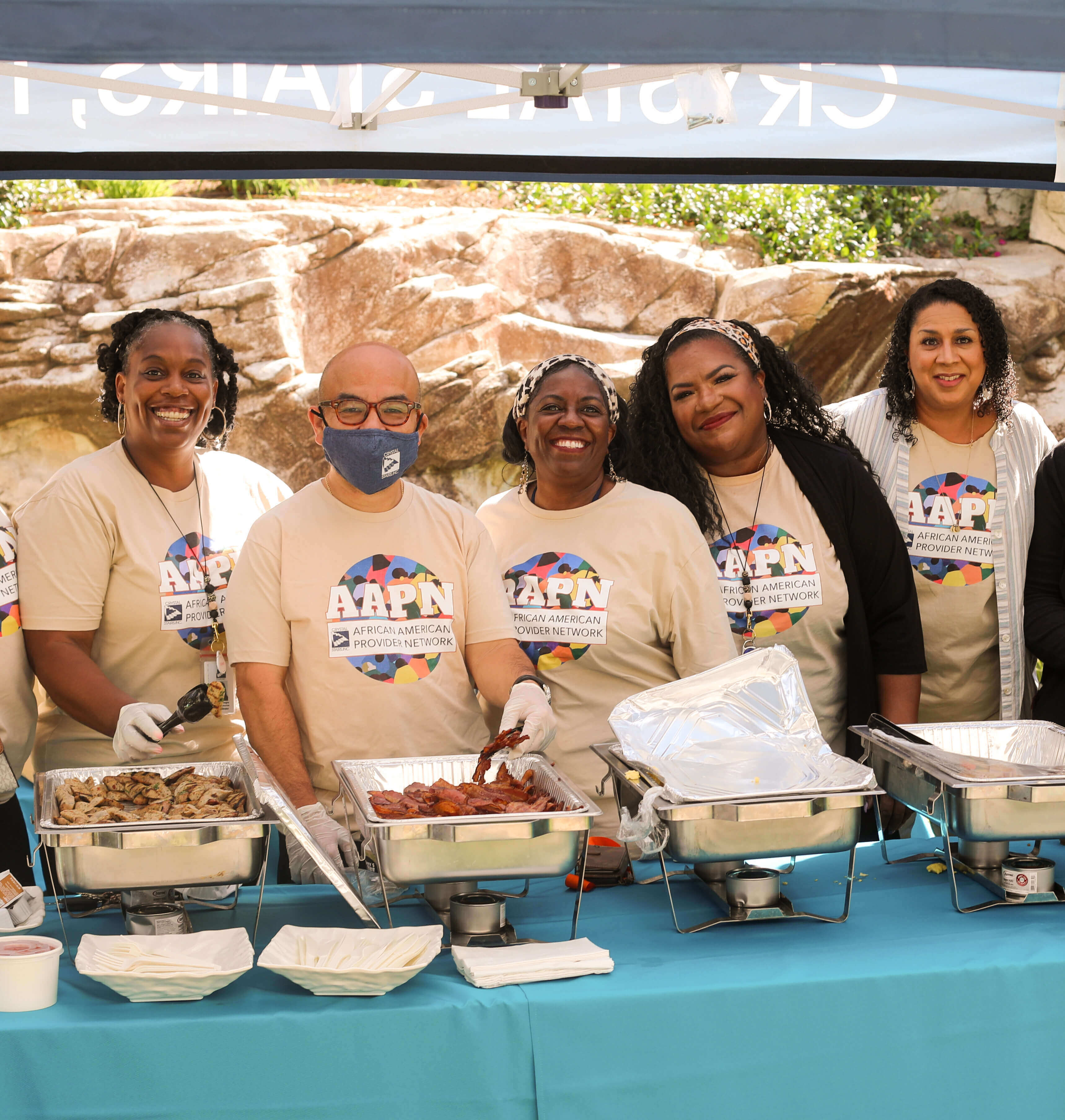
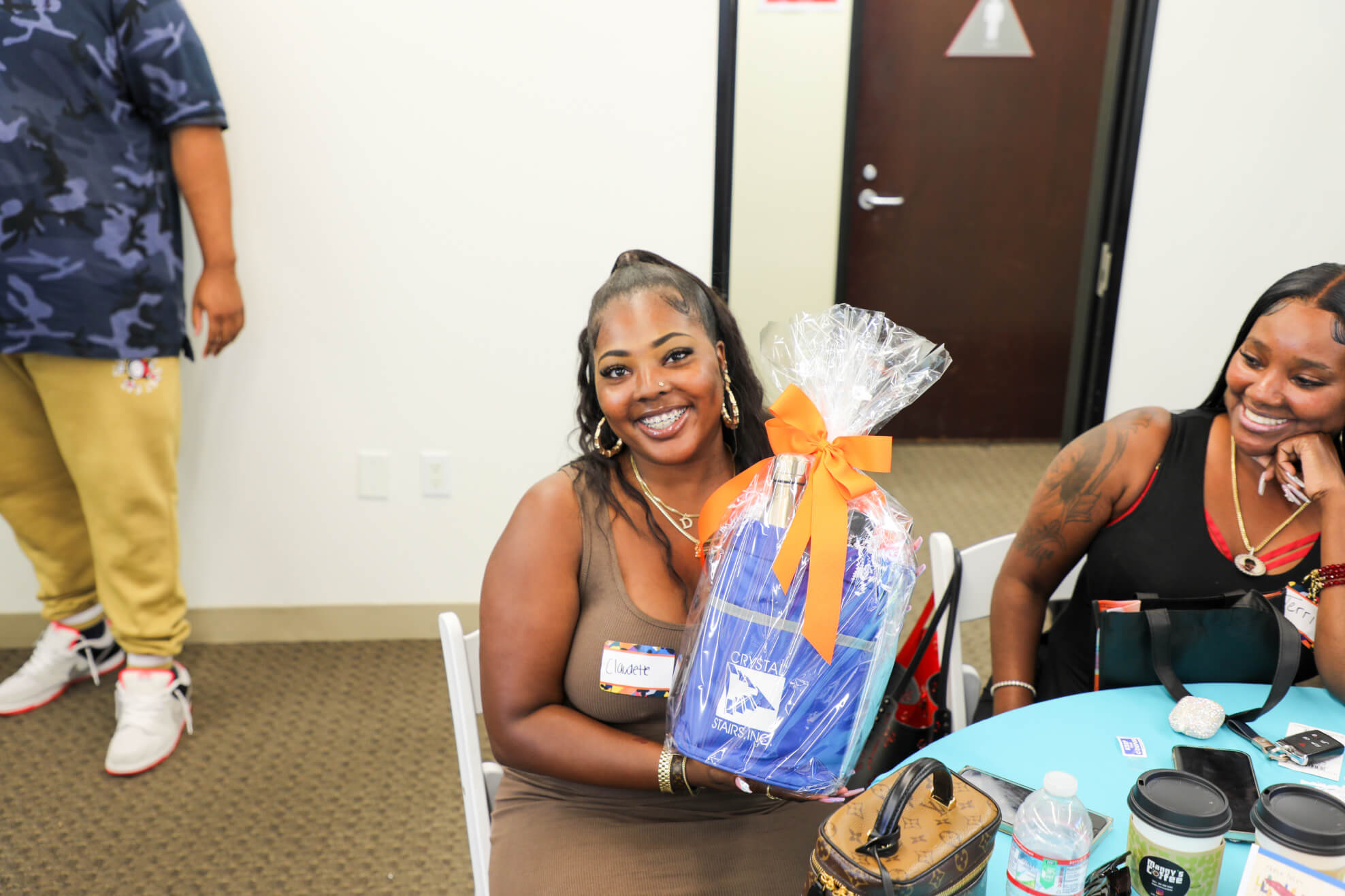
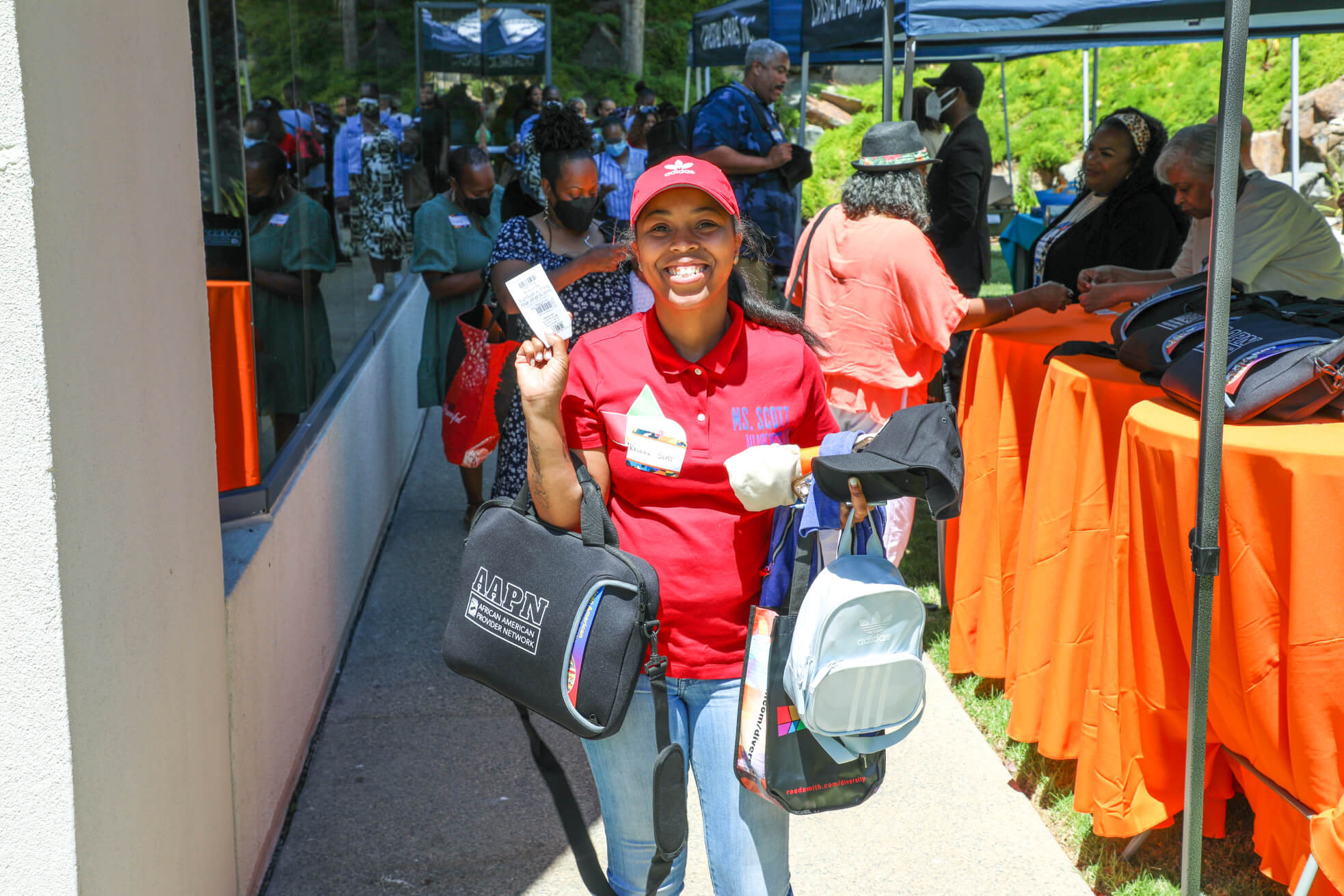
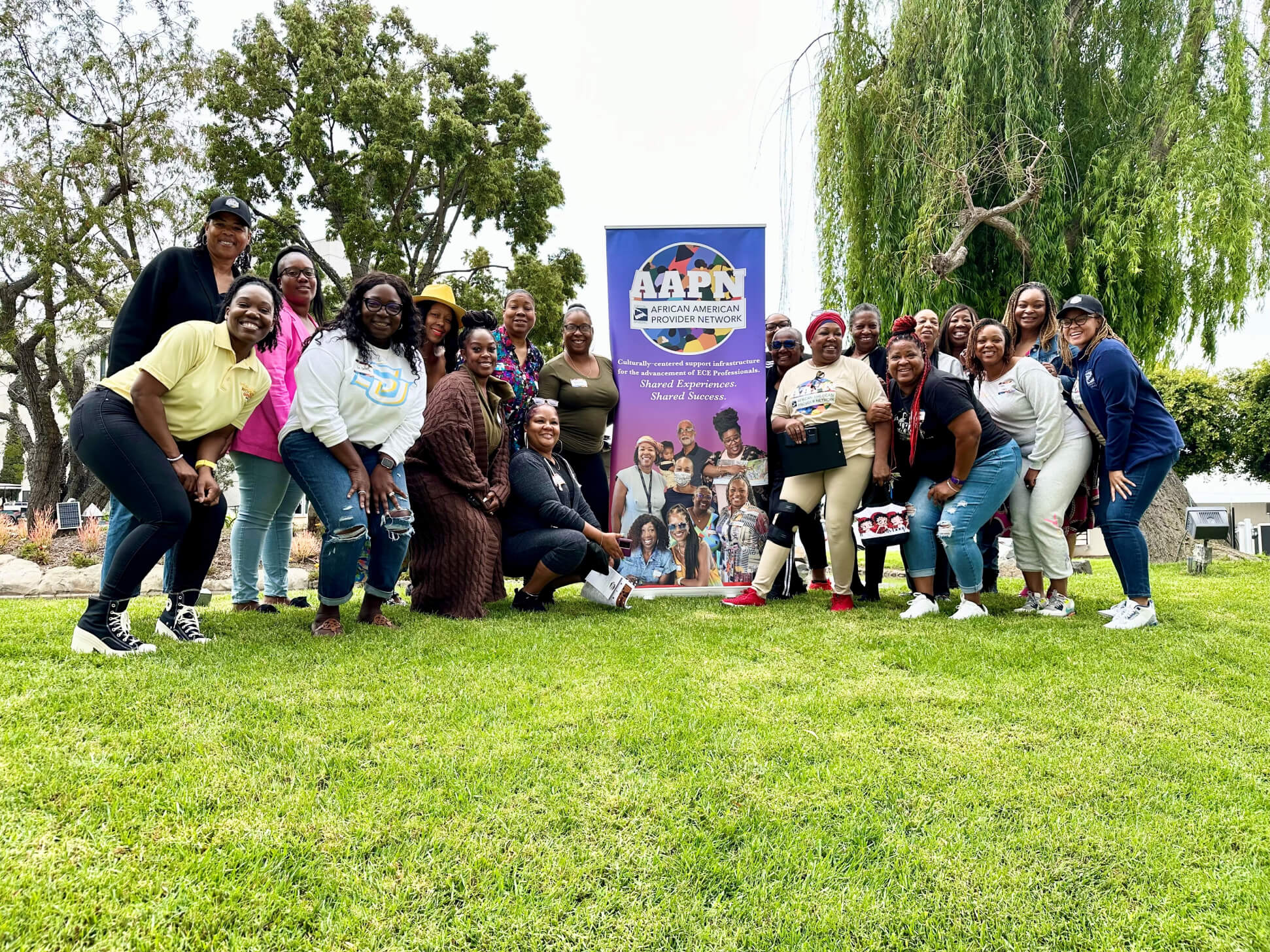
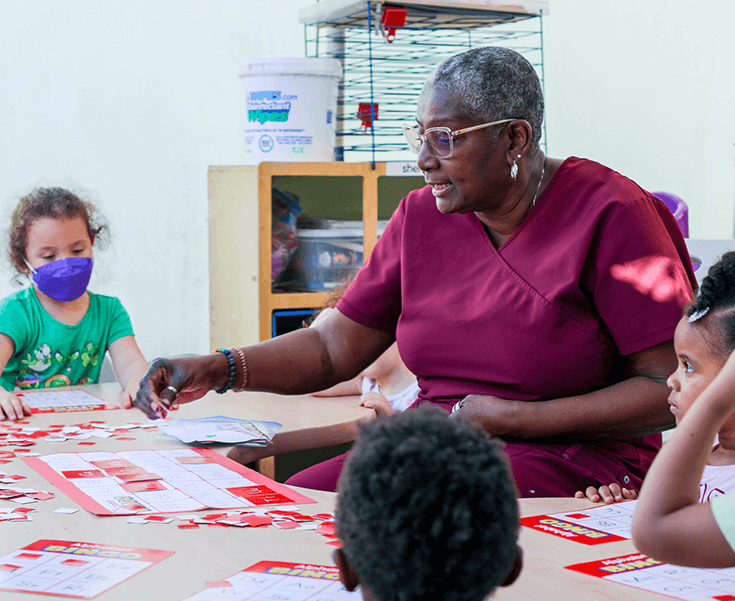
African American Provider Network
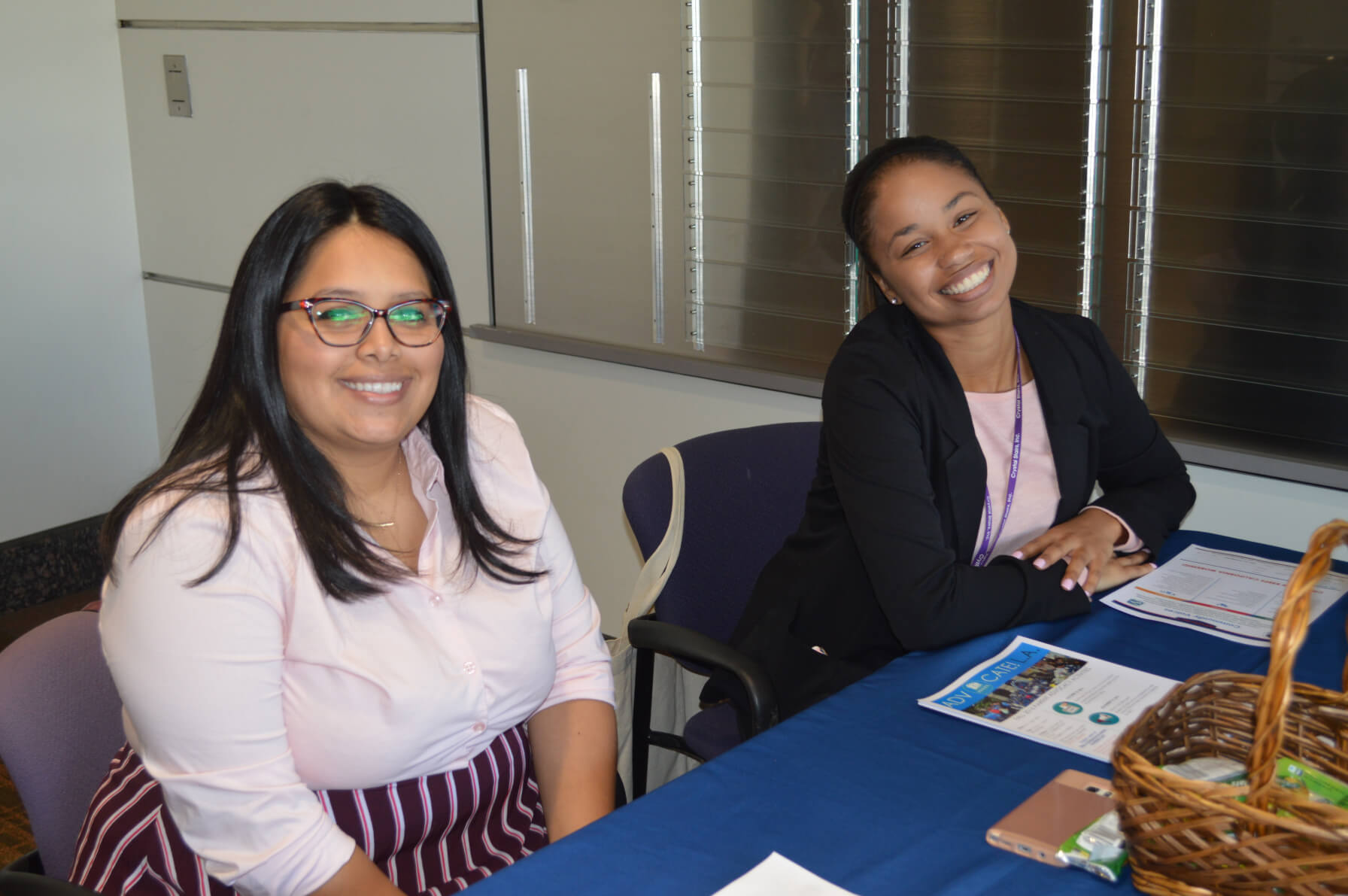
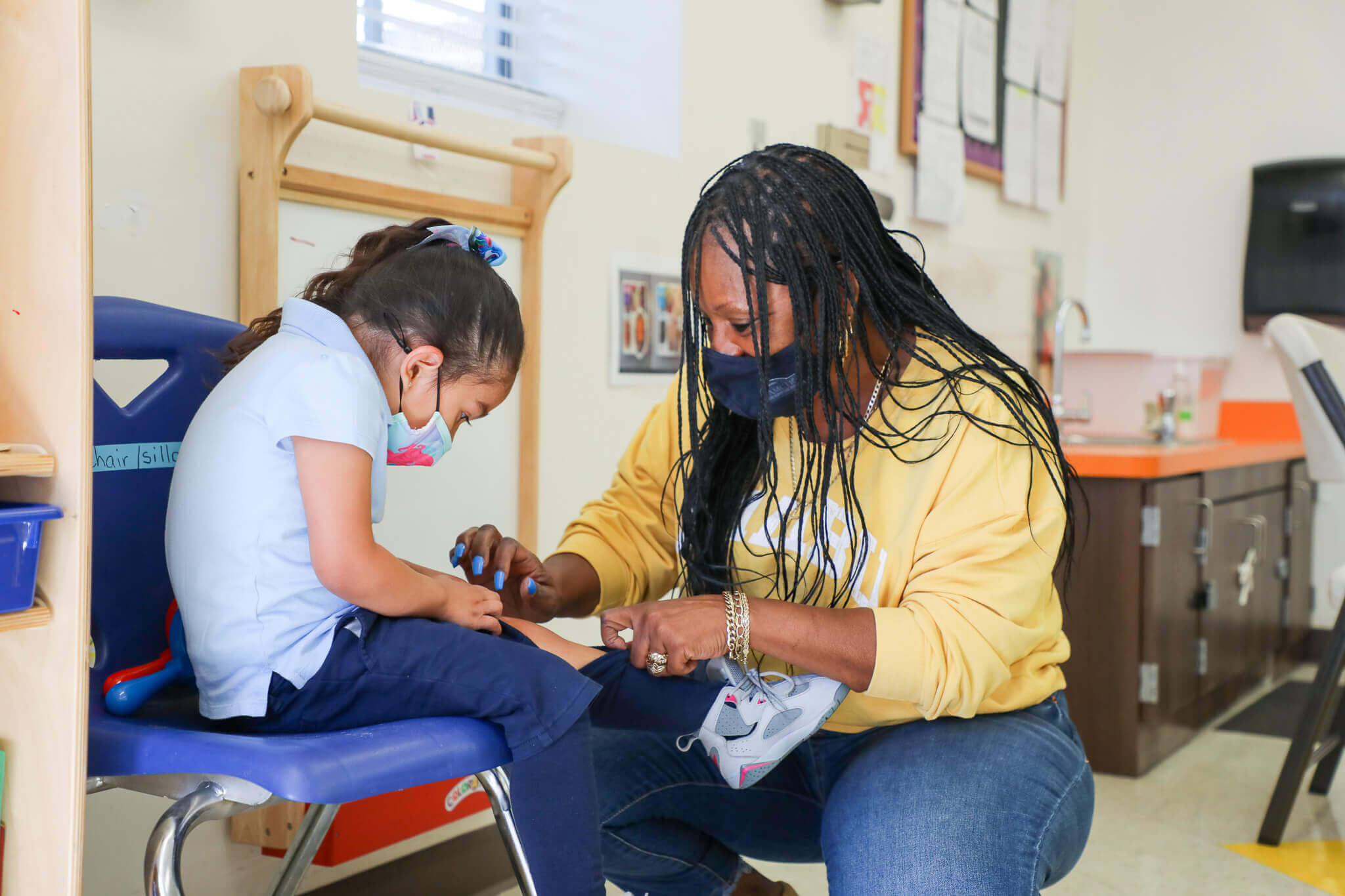
Engages, empowers, and advances the African American Early Care and Education workforce through a variety of critical resources and supports.
Our Impact
50,000+
children and families served per year
16,000+
children provided with quality school readiness services
10,000+
child care providers paid to support parents

3,000+
families enrolled in health care services and comprehensive coaching services